Deep-sea sponge microbes yield promising molecule to combat salmonid disease
The MARBLES team is excited to share a new breakthrough from the project! The study led by the University of Aberdeen and published in the journal Marine Drugs, has identified promising bioactive compounds produced by a Streptomyces sp. bacterium isolated from the deep-sea sponge Lissodendoryx diversichela.
This sponge, found in the cold depths of the North Atlantic, is host to unique bacteria that produce natural chemical compounds, a defence mechanism against predators and other organisms from settling on its surface. Using advanced “omics” techniques (a combination of genomics and metabolomics), researchers have identified several bioactive compounds. These compounds are natural substances that can influence the functioning of living organisms, such as by providing antimicrobial benefits. Researchers study them as they can lead to the development of new medicines or treatments.
Emmanuel Oluwabusola, one of the lead authors and senior postdoctoral researcher at the University of Aberdeen said:
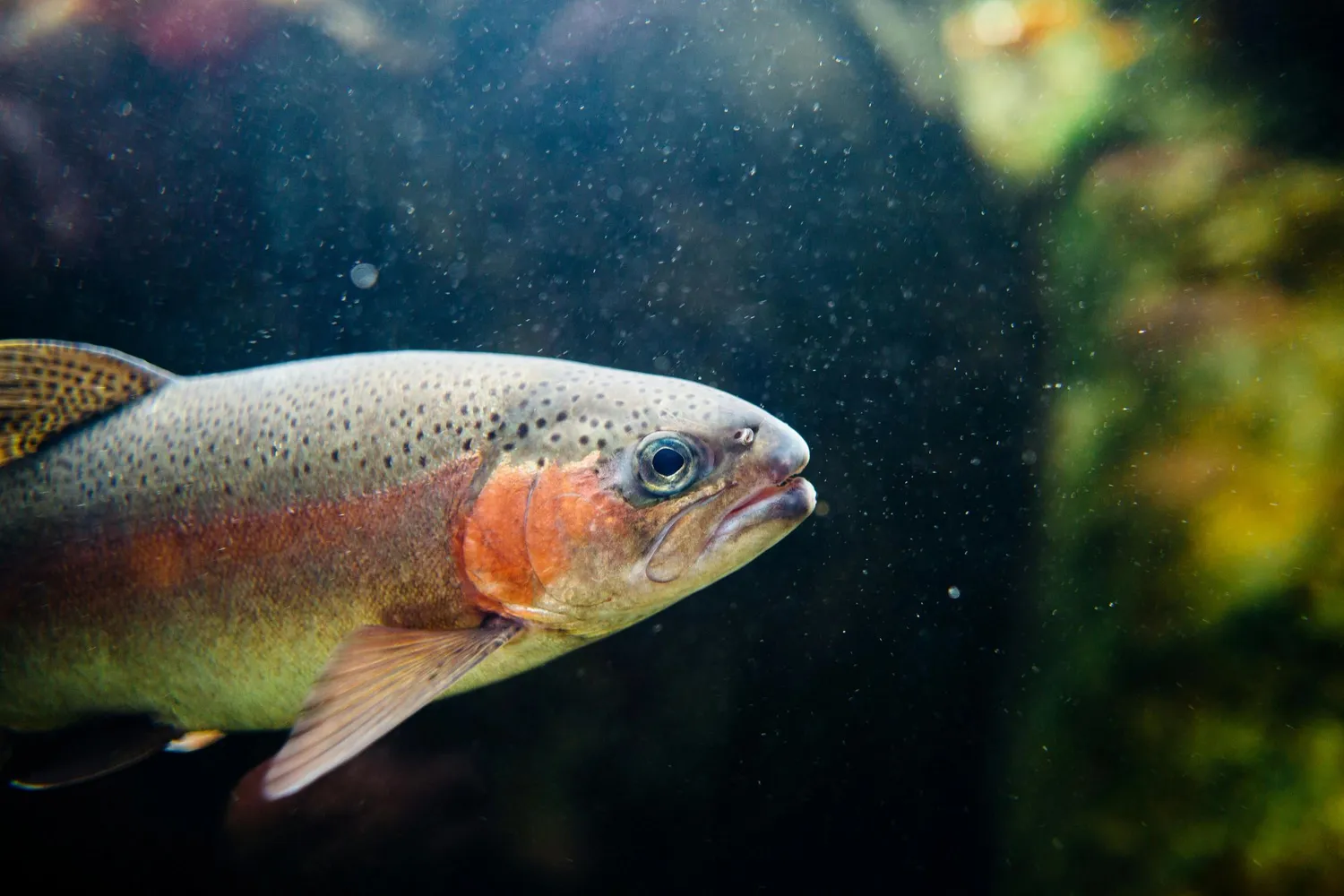
“This is an exciting breakthrough in the project as one of the compounds has been tested against Aeromonas salmonicida, a pathogenic bacterium that causes the disease furunculosis in salmonid fish (trout and salmon), which is currently a serious threat in salmon aquaculture. The results have shown promising antibiotic activity, which could help to develop new treatments to use in aquaculture. The study showcases the power of integrated omics and the One-Strain-Many-Compounds (OSMAC) approach in uncovering novel marine natural products”.
This discovery is a great example of how exploring the deep sea can lead to breakthroughs in biotechnology and therefore more sustainable solutions for aquaculture, agriculture and health. It also highlights the importance of preserving marine biodiversity, as these underexplored ecosystems could provide the solutions to many current challenges.
The publication is part of MARBLES’ ongoing mission to explore marine microbial biodiversity and develop sustainable solutions for aquaculture, agriculture and health. Stay connected with MARBLES for more updates on marine natural product discovery. To learn more about the research, you can read the open access publication: Oluwabusola, E. T., Jackson, S. A., Brunati, C., Gackstatter, S., Vedder, H., Iorio, M., Chawande, G., Margassery, L. M., Nguyen, G.-S., Clarke, D. J., Ebel, R., Jaspars, M., & Dobson, A. D. W. (2025). Integrated Omics-Based Discovery of Bioactive Halogenated Metabolites from the Deep-Sea Streptomyces sp. B188M101. Marine Drugs, 23(9), 362. https://doi.org/10.3390/md23090362.
For more information on this research please contact Emmanuel Oluwabusola (University of Aberdeen) emmanuel.oluwabusola3@abdn.ac.uk and Stephen Jackson (University College Cork) sjackson@ucc.ie
MARBLES (Marine Biodiversity as Sustainable Resource of Disease-Suppressive Microbes and Bioprotectants for Aquaculture and Crop Diseases) is a research and innovation action funded by Horizon 2020 (Grant Agreement no. 101000392). With 14 partners from 10 countries, the project runs for four years until April 2026 and has a total budget of €7.5 million. MARBLES is coordinated by Leiden University in the Netherlands. For more information on MARBLES follow us on LinkedIn: MARBLES EU Project and X: MARBLES_EU