MARBLES concludes after five years of advancing sustainable marine biodiscovery
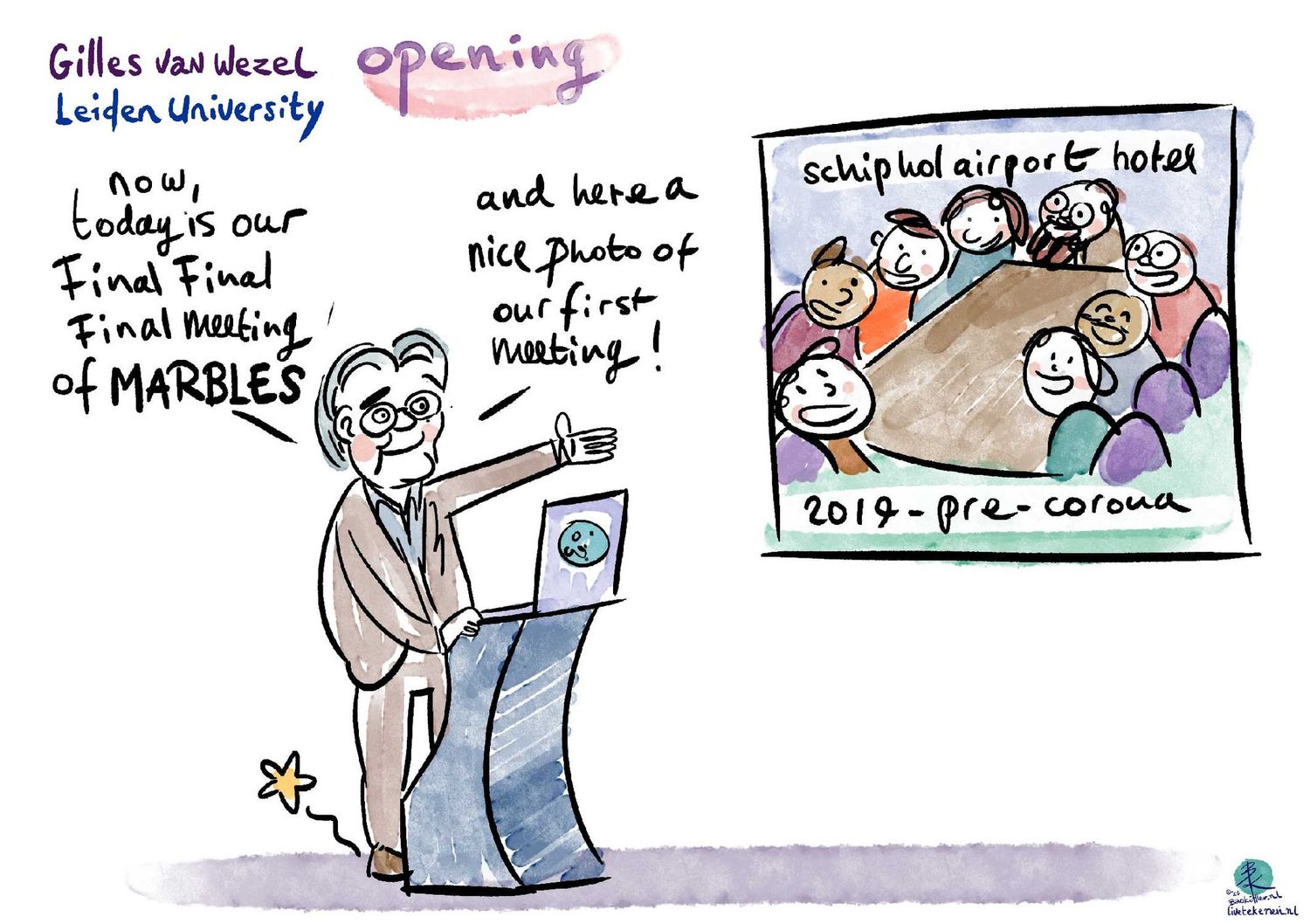
After five years of collaborative research and innovation, the Horizon 2020-funded MARBLES project has successfully demonstrated how marine microbes can help address some of society's most pressing challenges in health, food production and environmental sustainability.
Bringing together 14 partners from 10 European countries, MARBLES set out to harness marine microbes for drug discovery and the sustainable production of fish and crops. By exploring the hidden potential of microbes living in our oceans, the project has generated new knowledge, valuable resources and promising solutions that will continue to create impact long after the project's conclusion.
Finding solutions in the smallest forms of life
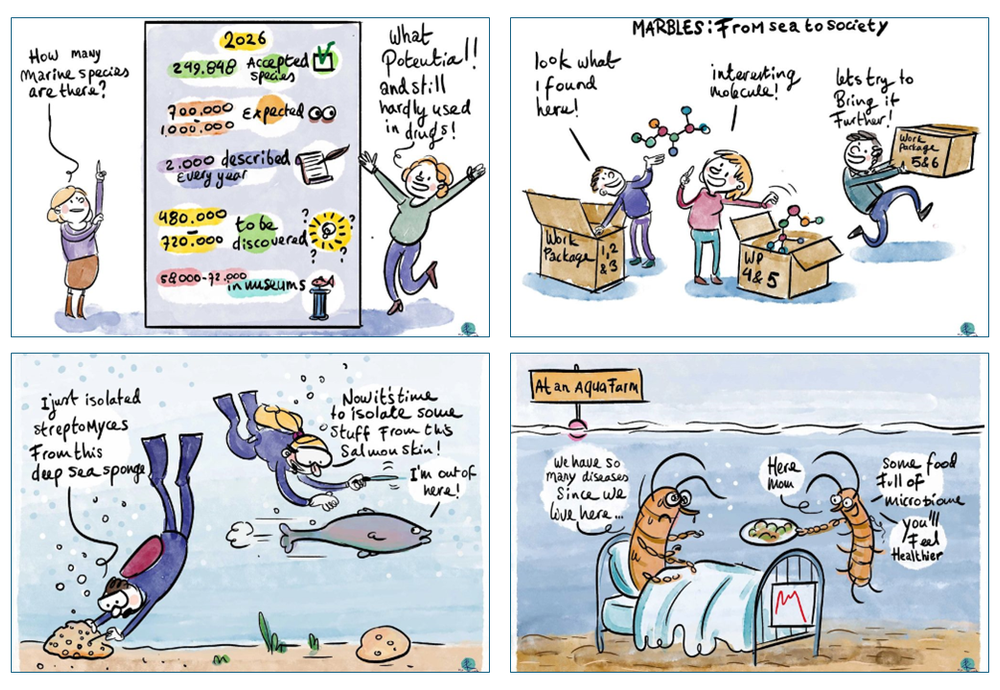
Many of today's medicines, including antibiotics, originated from natural sources. Yet scientists have only explored a tiny fraction of the microbes found on Earth. Marine environments are particularly exciting because ocean organisms have evolved unique ways to survive disease, competition and environmental stress, often with the help of beneficial microbes and the natural compounds they produce. Rather than simply searching for individual microbes, MARBLES studied entire microbial communities associated with marine sponges, microalgae, fish and salt-tolerant coastal plants. This ecology-driven approach helped researchers understand how microbes interact with one another and revealed an extraordinary reservoir of previously unexplored biodiversity and biological activity. The scale of the work was remarkable. Over the course of the project, researchers analysed more than 1,200 microbial strains, prepared over 8,000 extracts and carried out more than 160,000 biological tests against pathogens relevant to human health, aquaculture and agriculture. Advanced software tools helped identify the most promising candidates for further development.
Supporting healthier fish and more resilient crops
One of MARBLES' key achievements was demonstrating how naturally occurring marine microbes could support more sustainable food production systems. In aquaculture, researchers identified microbial communities capable of suppressing fish pathogens, including Vibrio anguillarum, a bacterium responsible for significant losses in fish farming. MARBLES also developed innovative screening tools to accelerate the search for new natural alternatives to antibiotics. These findings could help reduce disease outbreaks, improve fish health and support more sustainable aquaculture practices in the future.
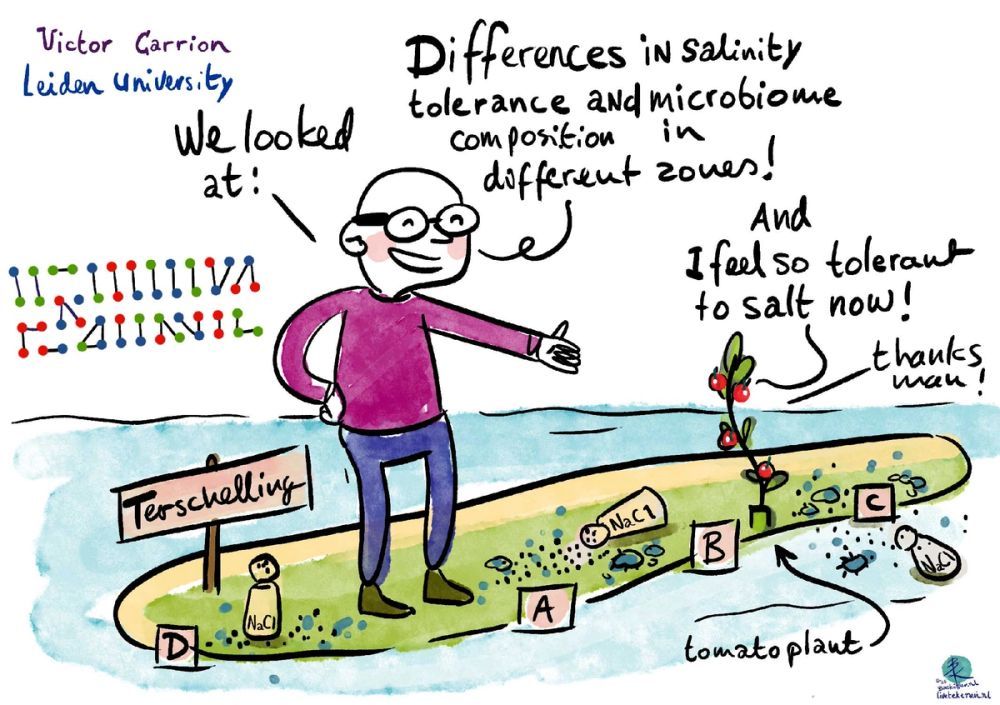
In agriculture, the project discovered marine and salt-marsh-associated bacteria that improved plant growth and resilience under saline conditions. Several strains enhanced tomato growth, root development and stress tolerance, demonstrating how microbes from coastal environments could help farmers adapt to increasing soil salinity while reducing reliance on synthetic agricultural inputs.
Advancing the search for future medicines
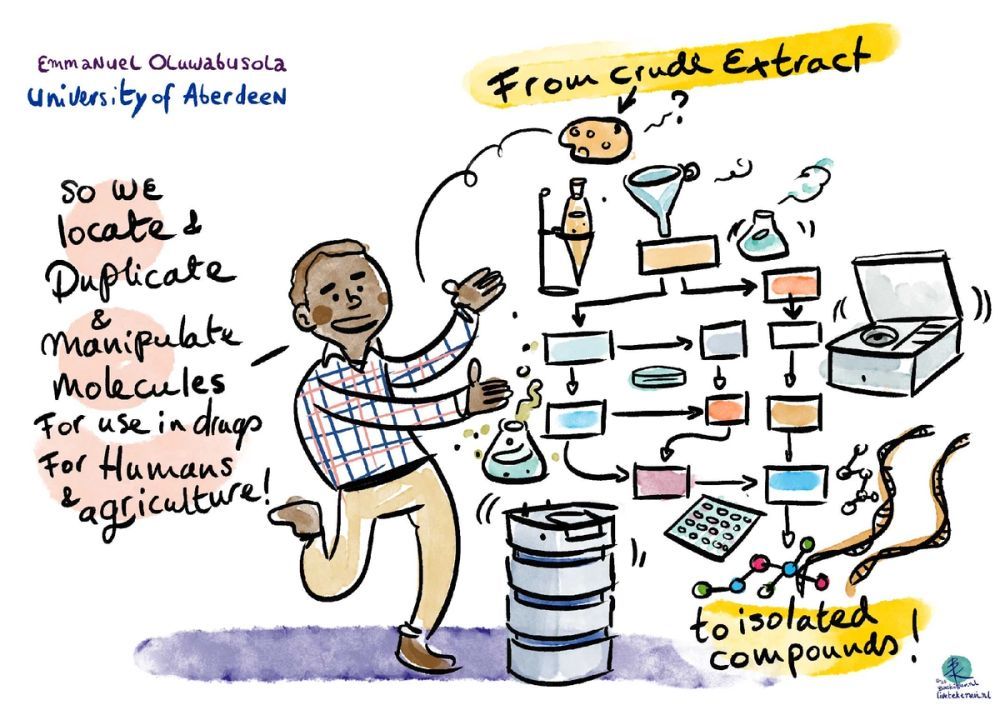
A major ambition of MARBLES was to discover new bioactive compounds - naturally occurring substances that can affect living organisms and may one day be developed into medicines or bioproducts. Using a combination of advanced genetic analysis, chemistry and biological screening techniques, the project identified numerous promising compounds with antibacterial and antifungal potential. Researchers also discovered natural chemical signals that can "switch on" hidden pathways in microbes, helping reveal useful compounds that would otherwise remain undetected. Several promising strains and compounds progressed beyond initial discovery and into scale-up, purification and further validation stages. The project also generated extensive collections of microbial strains, datasets, screening tools and discovery resources that will continue to support future research and innovation.
Supporting sustainability, policy and responsible innovation
From the outset, MARBLES focused on using marine biodiversity responsibly. Rather than harvesting large volumes of marine organisms from the environment, researchers cultivated microbes under controlled conditions and explored sustainable production methods with future commercial applications in mind. The project also examined the environmental, social and economic implications of marine biodiscovery and contributed to important international policy discussions on marine genetic resources (MGRs), digital sequence information (DSI) and biodiversity governance. Through a series of policy briefs, case studies and stakeholder engagement activities, MARBLES helped provide evidence-based recommendations to support the sustainable use of marine biodiversity.
Building a legacy through collaboration and engagement
The impact of MARBLES extends far beyond its scientific achievements. Through close collaboration between researchers, industry representatives and policymakers, the project helped ensure that its discoveries addressed real-world needs and have clear pathways for future uptake and application. The project generated five clusters of Key Exploitable Results (KERs) covering sustainable crop production and aquaculture health solutions, drug discovery platforms, marine bioinnovation resources, and policy and governance frameworks for MGRs. These outputs create opportunities for future developments across the pharmaceutical, biotechnology, agriculture and aquaculture sectors.
MARBLES also invested heavily in training the next generation of researchers, supporting PhD students, postdoctoral researchers and early career researchers working across marine microbiology, chemistry, bioinformatics, sustainability and innovation.
The culmination of the project was marked by two major events held at project partner Naturalis Biodiversity Center in Leiden, the Netherlands. On 26 March 2026, ERINN organised the MARBLES Stakeholder Summit - Transforming Marine Biodiversity into Innovation, which brought together leaders from industry, research and policy to explore the project's achievements and discuss opportunities for future collaboration. Participants from aquaculture, biopharma, agrochemicals, marine biotechnology and the wider blue economy reflected on how marine biodiversity can drive sustainable innovation and help translate research into real-world solutions.
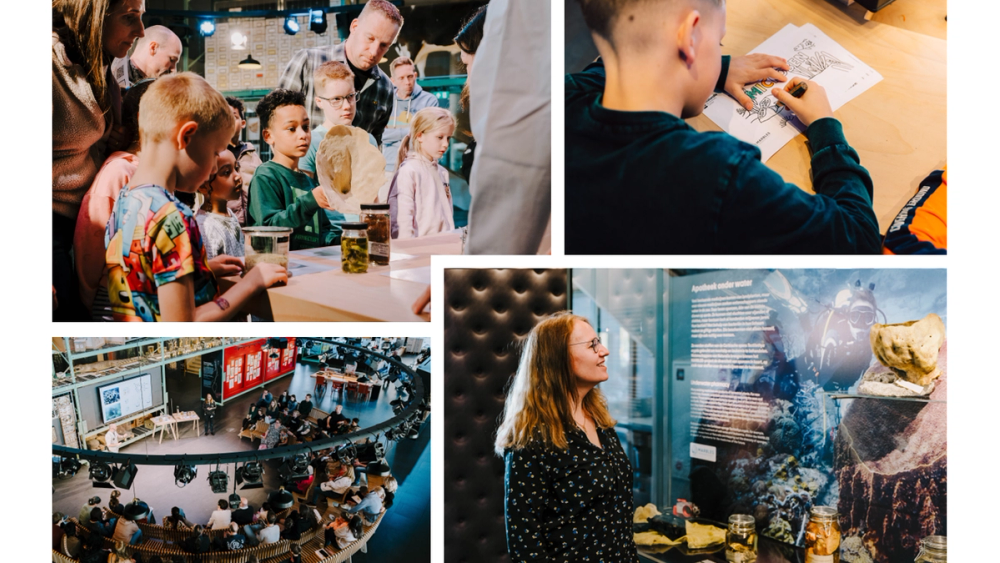
Naturalis organised Underwater Pharmacy- a public exhibition and outreach event showcasing how marine microbes could contribute to future medicines, healthier food production systems and more sustainable ways of tackling global challenges. Through interactive displays, educational resources and engagement activities, MARBLES helped inspire greater appreciation for the value of marine biodiversity.
As MARBLES comes to a close, its legacy is clear. As a key motto from the project reminds us, "Sometimes to think big for the planet we need to look at the small stuff." Over the past five years, MARBLES has demonstrated that some of nature's smallest organisms may hold the key to some of humanity's biggest challenges. By uncovering new disease-fighting compounds, identifying beneficial microbes for aquaculture and agriculture, advancing sustainable biodiscovery methods and supporting evidence-based policymaking, MARBLES has laid the foundations for future innovation across multiple sectors. Most importantly, it has shown that marine microbes remain a vast and largely untapped resource with the potential to support healthier people, healthier food systems and a more sustainable future.