MARBLES joins global discussions at BBNJ Preparatory Commission in New York
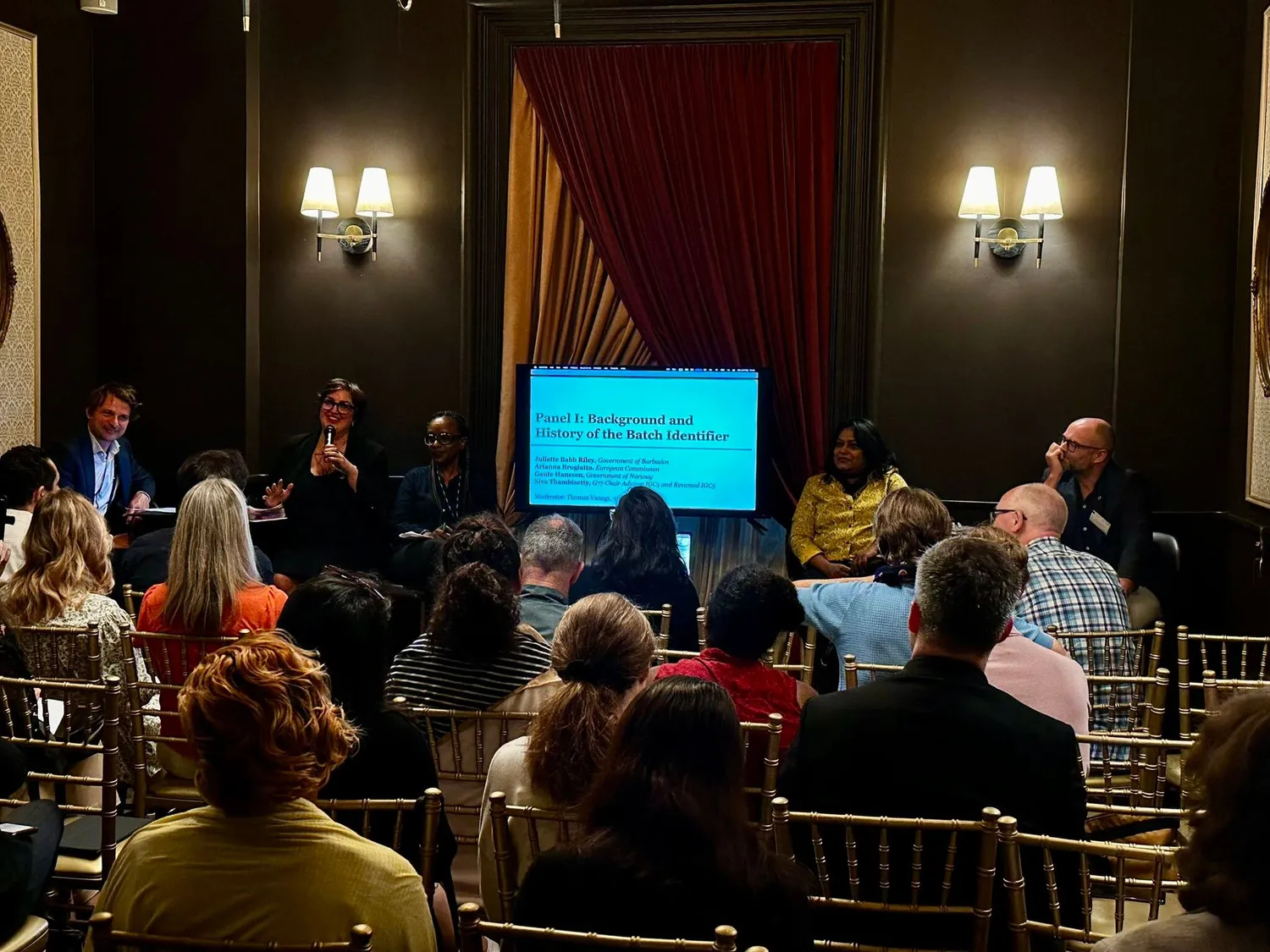
MARBLES partners University of Aberdeen (UNIABDN) and 3BIO/ABS International (ABSint) actively participated in the Second Preparatory Commission for the UN Agreement on the Conservation and Sustainable Use of Marine Biological Diversity of Areas Beyond National Jurisdiction (BBNJ Agreement), held from 18–29 August 2025 at the United Nations Headquarters in New York.
This high-level meeting focused on operationalising the BBNJ Treaty, adopted in June 2023, which aims to safeguard marine biodiversity in the high seas through measures such as marine protected areas, environmental impact assessments and fair benefit-sharing from marine genetic resources (MGR).
UNIABDN and ABSint contributed their expertise on MGR – ensuring equitable access and benefit-sharing, Digital Sequence Information (DSI) – addressing governance challenges for genetic data, and scientific responsibilities – promoting transparency and compliance with Treaty obligations.
The event brought together UN member states, scientific experts and civil society organisations to develop practical frameworks for implementing the Treaty.
In collaboration with the BlueRemediomics project and the Deep Ocean Stewardship Initiative (DOSI), UNIABDN and ABSint researchers have co-authored two key resources to support the implementation of the Treaty:
- Information sheet: How to engage and contribute to the implementation of the BBNJ Agreement as a marine scientist
- Policy Brief: Monetary and Non-Monetary Value of Marine Genetic Resources and Digital Sequence Information under the BBNJ Agreement
These documents call on the scientific community to take action and highlight the value of MGRs and DSI in advancing the Treaty’s objectives.
MARBLES partners’ involvement underscores the project’s commitment to responsible marine biotechnology and its role in shaping global ocean governance. By engaging in these discussions, MARBLES continues to advance its mission of fostering sustainable innovation while supporting international efforts to protect biodiversity in areas beyond national jurisdiction (ABNJ).