Nature still plays central role in modern drug discovery
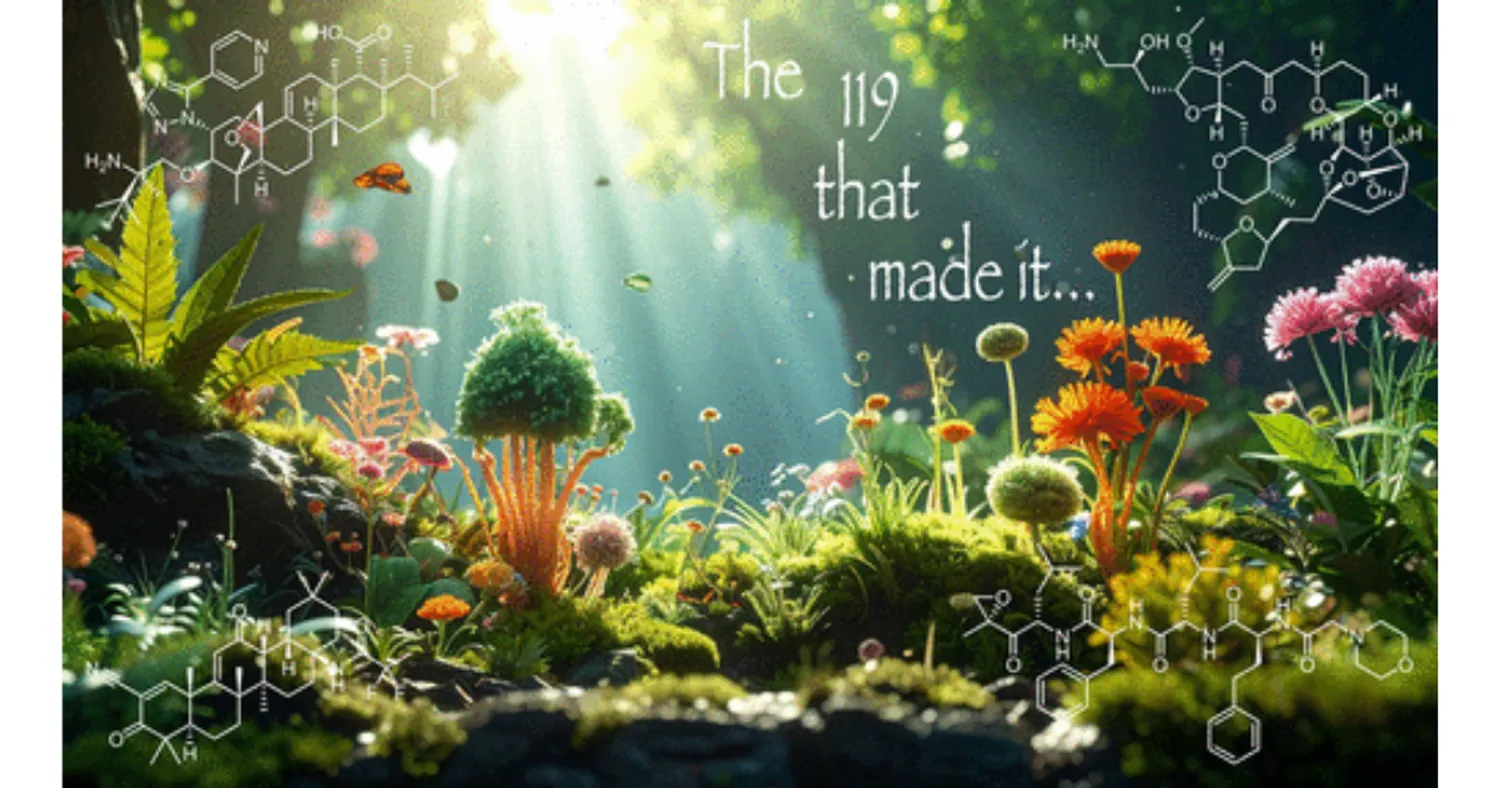
A recently published review highlights how natural products remain one of the most powerful drivers of the development of new medicines, reinforcing the scientific foundations of the MARBLES project’s mission to unlock nature-inspired solutions to address challenges in agriculture, aquaculture and healthcare. The study led by leading experts in pharmaceutical research, Mark Butler and James La Clair, analysed global drug approvals over the past two decades. They found that natural products and their derivatives remain a major source of successful drug treatments. Despite rapid advances in synthetic chemistry and high-throughput screening technologies, compounds originating from nature continue to outperform many fully synthetic alternatives.
One of the key findings is the exceptional chemical diversity offered by natural products. These complex molecular structures, shaped by millions of years of evolution, often interact more effectively with biological targets than synthetically developed compounds. This unique property makes them especially valuable for tackling challenging conditions such as cancer, infectious diseases and neurological disorders. The review also demonstrates that innovation in natural product research is accelerating. Modern tools including genomics, advanced analytical techniques and improved synthesis methods, are enabling scientists to identify, modify and optimise bioactive natural compounds more efficiently than ever before. This technological progress is helping overcome traditional barriers such as limited supply and structural complexity. Importantly, the authors report that 119 natural product–derived drugs have been approved globally between January 2000 and September 2025, underlining the continued relevance of this research field to real-world healthcare outcomes.
This publication reinforces a key principle at the heart of MARBLES: biodiversity is not only essential for healthy ecosystems but also a critical reservoir of chemical and biological innovation. The marine environment remains one of the least explored sources of natural products, yet it holds enormous promise for innovation in the pharmaceutical and food sectors. Realising this potential requires overcoming several challenges, including the discovery and identification of marine bacteria and their bioactive compounds, the sustainable extraction of these ingredients, and the commercial and regulatory hurdles involved in bringing new products to market.
Despite the many challenges, natural compounds derived from diverse organisms continue to inspire new medicines, tools and technologies. This further emphasises the importance of protecting and studying biodiversity, as the loss of species and habitats could mean the loss of future drug discovery breakthroughs. As the global population grows and the climate and biodiversity crises intensify, MARBLES is responding by sustainably unlocking new marine bioactive compounds with pharmaceutical potential, while also developing microbes and microbial communities that can support bioprotection. This review provides strong scientific validation for why exploring natural chemical diversity remains essential for future health, environmental resilience and economic opportunity. By combining cutting-edge technologies with nature-inspired chemical diversity, MARBLES aims to contribute to the next generation of sustainable and effective therapeutic solutions. It reinforces a clear message: nature remains one of our most powerful allies in the search for new medicines.
Read the full review:
Butler, M. S., & La Clair, J. J. (2025). The role of natural product chemistry in Drug Discovery: Two decades of progress and perspectives. Journal of Natural Products. https://doi.org/10.1021/acs.jnatprod.5c01368